
Design Trends That Will Dominate 2026: The Future of Visual Innovation
As we move deeper into the decade, the visual landscape is undergoing a radical transformation. Identifying the design trends that will dominate 2026 is essential for creators, brand owners, and developers who want to stay relevant. In 2026, design is no longer just about looking good; it is about merging human emotion with hyper-advanced technology. From the way we interact with our screens to the physical products we hold, the aesthetic shifts we are seeing today will define the cultural zeitgeist of tomorrow.
📚 Table of Contents
- AI-Generated Visual Styles & Human Fusion
- The Rise of Eco-Friendly Web Design
- Futuristic UI Patterns and Spatial Computing
- Maximalist Digital Layouts: The Bold Return
- Pro Tips for 2026 Designers
- Frequently Asked Questions
🤖 AI-Generated Visual Styles and the Human Fusion
In 2026, AI-generated visual styles have moved past the "uncanny valley" phase. We are seeing a beautiful fusion where artificial intelligence handles the complex rendering of generative art, while human designers provide the emotional soul and ethical direction. This collaboration is creating textures and patterns that were previously impossible to imagine.
Source: Unsplash
Brands are using these tools to create hyper-personalized visuals. Instead of one single logo, companies now have "fluid identities" that change slightly based on the user's mood or the time of day, all powered by real-time AI processing.
🌿 The Rise of Eco-Friendly Web Design
Sustainability is no longer a buzzword; it is a core design requirement. Eco-friendly web design is one of the most significant design trends that will dominate 2026. This involves creating "low-carbon" websites that use less energy by optimizing code, using darker color palettes (to save OLED battery life), and reducing heavy asset loads.
Key Features of Sustainable Branding:
- Monochromatic Schemes: Using fewer colors to reduce the digital footprint of rendering.
- Vector-Heavy Layouts: Replacing large high-res photos with lightweight, scalable vectors.
- Bento Box Grids: Organized, clean layouts that prioritize information hierarchy and reduce cognitive load.
🌌 Futuristic UI Patterns and Spatial Computing
With the widespread adoption of mixed-reality headsets and smart glasses, futuristic UI patterns have moved off the flat screen. In 2026, we design for "depth." Spatial computing aesthetics mean that interfaces now have glass-morphism effects that react to the physical light in a user's room.
Source: Pexels
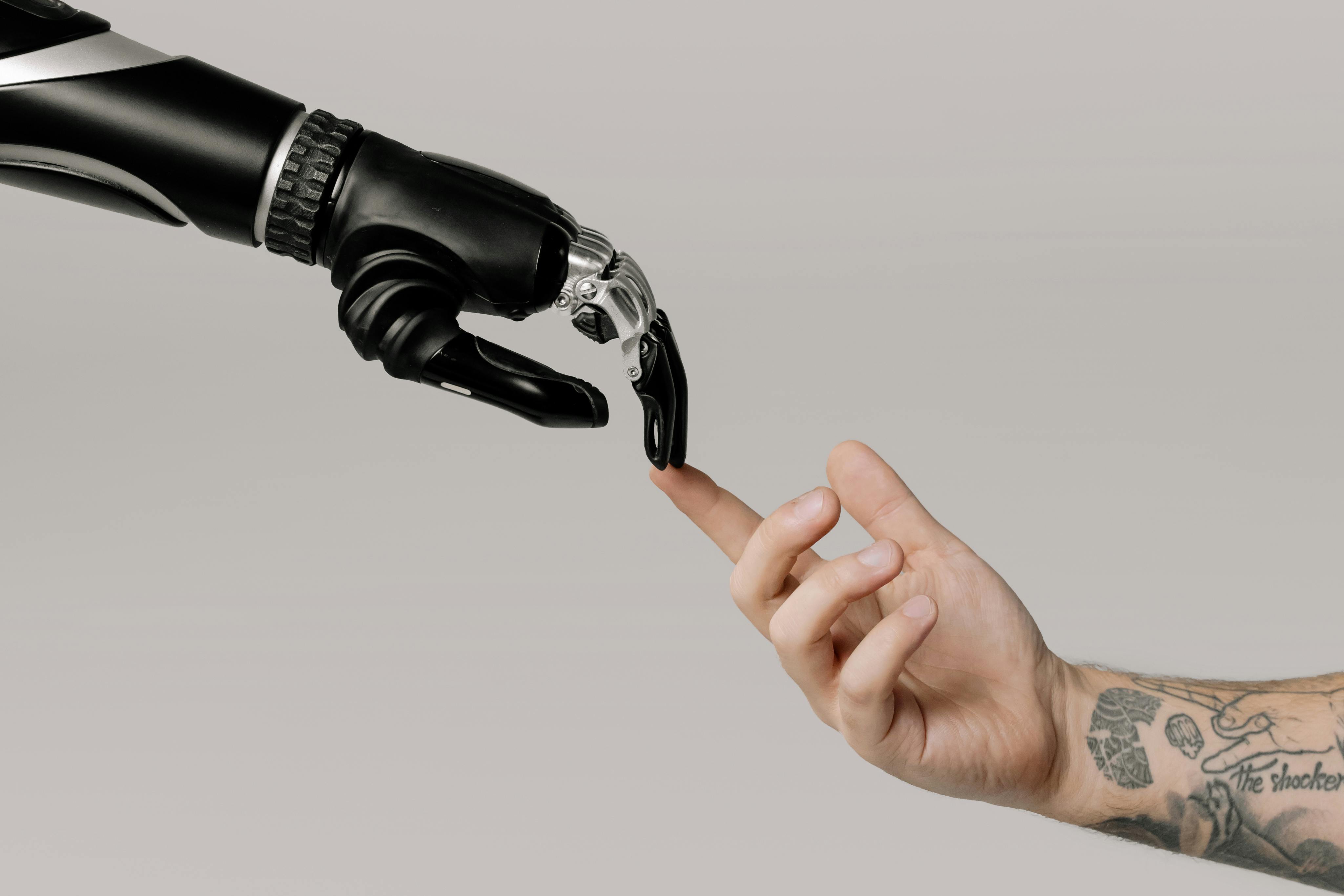
Haptic interface design is also playing a role, where visual cues are paired with subtle vibrations or sounds to simulate the feeling of touching a physical button in the air. This "phygital" (physical + digital) approach is a hallmark of 2026 innovation.
🎨 Maximalist Digital Layouts: The Bold Return
After years of "boring" minimalism, we are seeing a massive shift toward maximalist digital layouts. This trend is characterized by bold typography, clashing colors, and "organized chaos." It is a reaction against the sanitized, clinical look of the early 2020s.
In 2026, brands are using maximalism to express personality and rebellion. Large, overlapping text and 3D kinetic typography are being used to grab attention in a world where the average attention span is measured in milliseconds.
💡 Pro Tips for Designing in 2026
- Prioritize Accessibility: Design for everyone. Ensure your high-contrast modes and screen-reader compatibility are flawless.
- Master 3D Tools: 2D is becoming secondary. Learn tools like Spline or Blender to integrate 3D elements into your web projects.
- Focus on Motion: Static images are dying. Use "micro-animations" to guide the user's eye through the story of your page.
- Stay Ethical: When using AI tools, ensure your assets are sourced from ethical training models to protect the sustainable branding of your company.
❓ FAQ: 2026 Design Forecast
1. Will minimalism go away completely in 2026?
No, minimalism is evolving into "Eco-Minimalism." It is becoming more about efficiency and sustainability rather than just "white space."
2. How important is AI in the design trends that will dominate 2026?
It is central. AI is used for everything from color palette generation to automated layout testing, but the final creative direction still relies on human intuition.
3. What is the most popular color of 2026?
While trends vary, "Digital Amber" and "Bio-Luminescent Green" are leading the way, reflecting the dual focus on tech and nature.
📌 Conclusion
The design trends that will dominate 2026 are a testament to our desire for a more immersive, sustainable, and expressive world. By embracing AI-generated visual styles while keeping a firm grip on eco-friendly web design, creators can build experiences that are both breathtaking and responsible. Whether you choose the path of bold maximalism or spatial depth, the future of design is about breaking boundaries. It's time to start experimenting with these futuristic patterns today!
Join the conversation