
Monetizing Creative Hobbies: How to Turn Your Passion into Profit in 2026
In 2026, the creator economy has reached new heights. The dream of monetizing creative hobbies is no longer just for professional artists; it is a reality for anyone with a passion and an internet connection. Whether you enjoy painting, knitting, writing, or digital design, your hobby has the potential to become a secondary or even primary income stream. In a world moving toward automation, the "human touch" of creative work is more valuable than ever.
📚 Table of Contents
- Why Monetize Your Passion Now?
- Profitable Hobbies for 2026
- Turning Art into a Business via Digital Products
- Where to Sell Crafts Online
- Pro Tips for Creative Success
- Frequently Asked Questions
🎨 Why Monetizing Creative Hobbies is Smarter Than Ever
Financial independence is often built on income diversification. By monetizing creative hobbies, you create a "passion project" that pays for itself. In 2026, specialized AI tools can help handle the boring parts of a business—like bookkeeping or basic marketing—leaving you more time to focus on the creative work you love. This shift has made creative side hustles more accessible to beginners who might have been intimidated by the business side of things in the past.
🚀 Most Profitable Hobbies for 2026
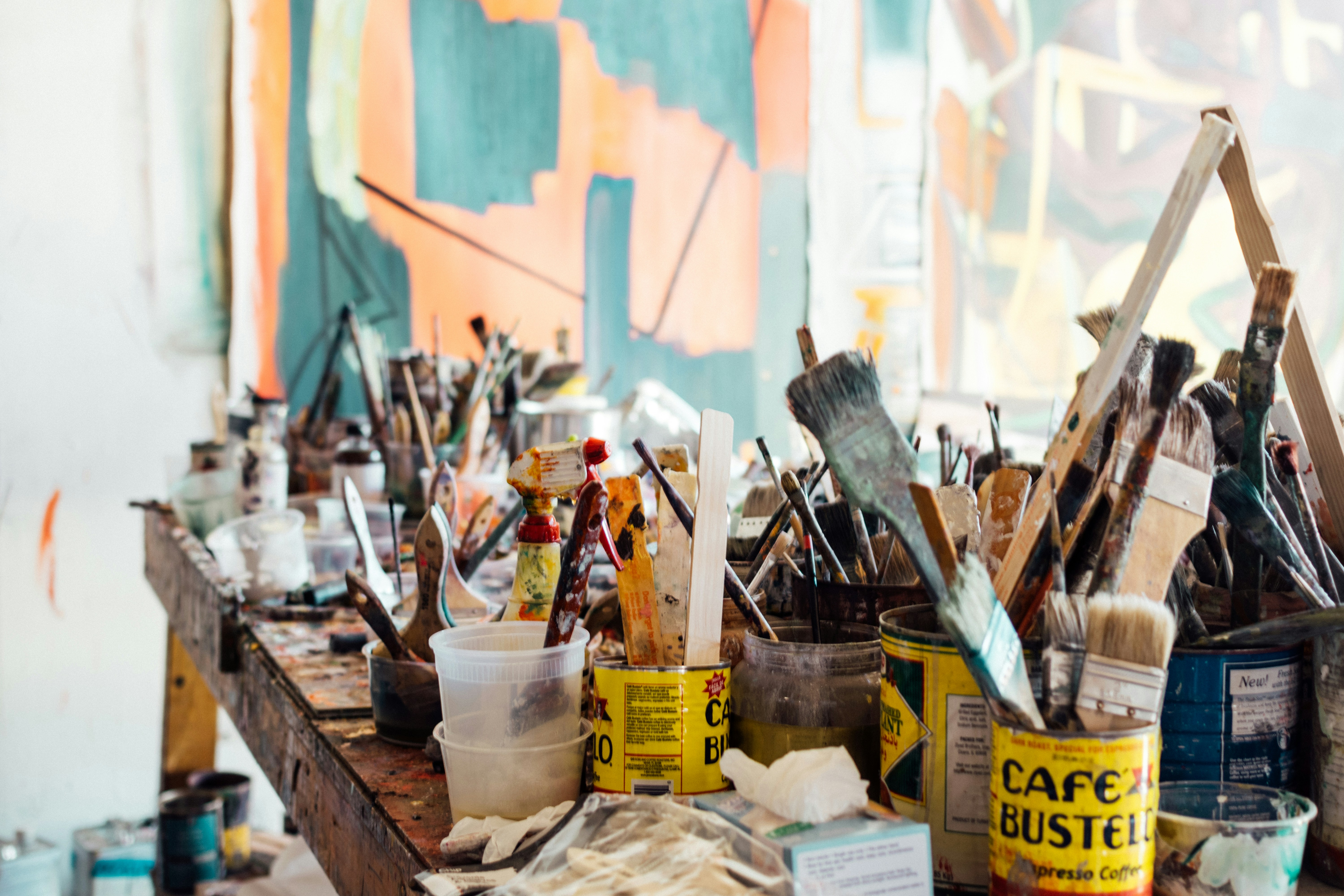
Source: Unsplash
Not all hobbies are created equal when it comes to profit margins. Here are some of the top profitable hobbies for 2026:
1. Digital Illustration and Graphic Design
With the expansion of the Metaverse and digital branding, custom illustrations are in high demand. Selling digital assets like brushes, templates, or icons is a fantastic way to earn digital product income.
2. Sustainable Crafting and Upcycling
Modern consumers prioritize the environment. If you can sell crafts online that are made from recycled materials, you tap into a high-growth market of eco-conscious buyers.
3. Creative Writing and Self-Publishing
From newsletters to Kindle e-books, writers are finding that turning art into a business is easier when you speak directly to a niche audience.
💸 Transforming Your Hobby into Digital Product Income
One of the biggest secrets to monetizing creative hobbies efficiently is scalability. If you sell a physical painting, you can only sell it once. However, if you sell a digital print of that painting, you can sell it thousands of times. This is the essence of the content creator economy.
- Online Courses: Teach others how to do what you do.
- E-books and Guides: Share your specialized techniques.
- Printables: Design planners, stickers, or coloring pages.
🛒 Top Platforms to Sell Crafts Online

Source: Pexels
In 2026, you are not limited to just one marketplace. To maximize your reach, consider these Etsy alternatives and specialized sites:
- Shopify: Best for building your own branded store.
- Creative Market: The go-to for digital designers.
- Patreon/Ko-fi: Perfect for creators who want a subscription-based model.
- Instagram/TikTok Shop: Essential for utilizing social media traffic.
💡 Pro Tips for a Smooth Hobby-to-Career Transition
Moving from a hobbyist to a professional requires a mindset shift. Follow these pro tips for 2026:
- Don't Lose the Joy: Set boundaries so that your "work" doesn't kill the passion that started the hobby.
- Quality Over Quantity: In the age of AI-generated content, high-quality, soulful, human-made products stand out.
- Build a Community: Don't just sell products; sell a story. Use social media to show your creative process (Behind the Scenes).
- SEO is Your Friend: Whether you are on Etsy or your own site, use the right keywords to ensure your target audience finds you.
❓ FAQ: Monetizing Creative Hobbies
1. Will monetizing my hobby make it feel like "work"?
It can, if you don't manage your time well. It is important to separate your "creative time" for pure fun from your "business time."
2. Do I need a lot of money to start?
Usually, no. Most creative side hustles can start with basic tools you already own. Focus on organic growth through social media before investing in expensive ads.
3. What if my hobby isn't "good enough" to sell?
Most creators feel this way (Imposter Syndrome). The truth is, there is a market for every skill level. Start small, get feedback, and improve as you go.
📌 Conclusion
Monetizing creative hobbies is one of the most rewarding journeys you can take in 2026. It allows you to merge your personal identity with your professional life, creating a sense of fulfillment that a standard 9-to-5 rarely offers. By leveraging digital platforms, focusing on your unique human perspective, and building a digital product income stream, you can turn your passion into a thriving business. Don't let your talents sit idle—the world is ready to see (and buy) what you create!
Join the conversation