
Scaling Your Online Store from Local to International: A Step-by-Step 2026 Guide
In 2026, the boundaries of commerce have virtually disappeared. While starting locally provides a solid foundation, the real growth for modern entrepreneurs lies in the global market. Scaling your online store from local to international is no longer an optional "extra"—it is a necessity for brands looking to capture a share of the $4.9 trillion global ecommerce pie. However, moving beyond your home borders requires more than just changing your shipping settings; it demands a strategic shift in technology, logistics, and customer psychology.
🌍 Why Global Expansion is Essential in 2026
The digital landscape has shifted. With AI-driven discovery and social commerce platforms like TikTok Shop and YouTube Shopping becoming the "front door" to retail, your products are likely already being seen by international eyes. Research shows that nearly 98% of brands expect international demand to rise this year. To succeed, you must move from a reactive "ship-if-they-order" mindset to a proactive 2026 global ecommerce expansion strategy.

Source: Unsplash
📦 Mastering International Logistics and Shipping
The biggest hurdle in scaling your online store from local to international is the physical delivery of goods. In 2026, the "End of De Minimis" has transformed global trade. Many countries, including the US and those in the EU (starting July 2026), have removed or lowered duty-free thresholds. This means almost every international parcel now faces taxes and duties.
The Shift to DDP Shipping
To avoid "delivery shock" where customers are hit with unexpected fees at their door, DDP shipping for small business (Delivered Duty Paid) has become the gold standard. This model calculates all duties and taxes at checkout, allowing the customer to pay the full "landed cost" upfront. This transparency is vital for maintaining trust and reducing order returns.
- Automated HS Code Classification: Use AI tools to automatically assign the correct Harmonized System (HS) codes to your products to prevent customs delays.
- Hyperlocal Fulfillment: Consider using regional "dark stores" or third-party logistics (3PL) hubs in your top-performing international markets to bring stock closer to the customer.
🛠️ Building a Localized Checkout Experience 2026
A "one-size-fits-all" website is a conversion killer. To compete with local players in foreign markets, you must provide a localized checkout experience 2026. This goes beyond simple language translation.
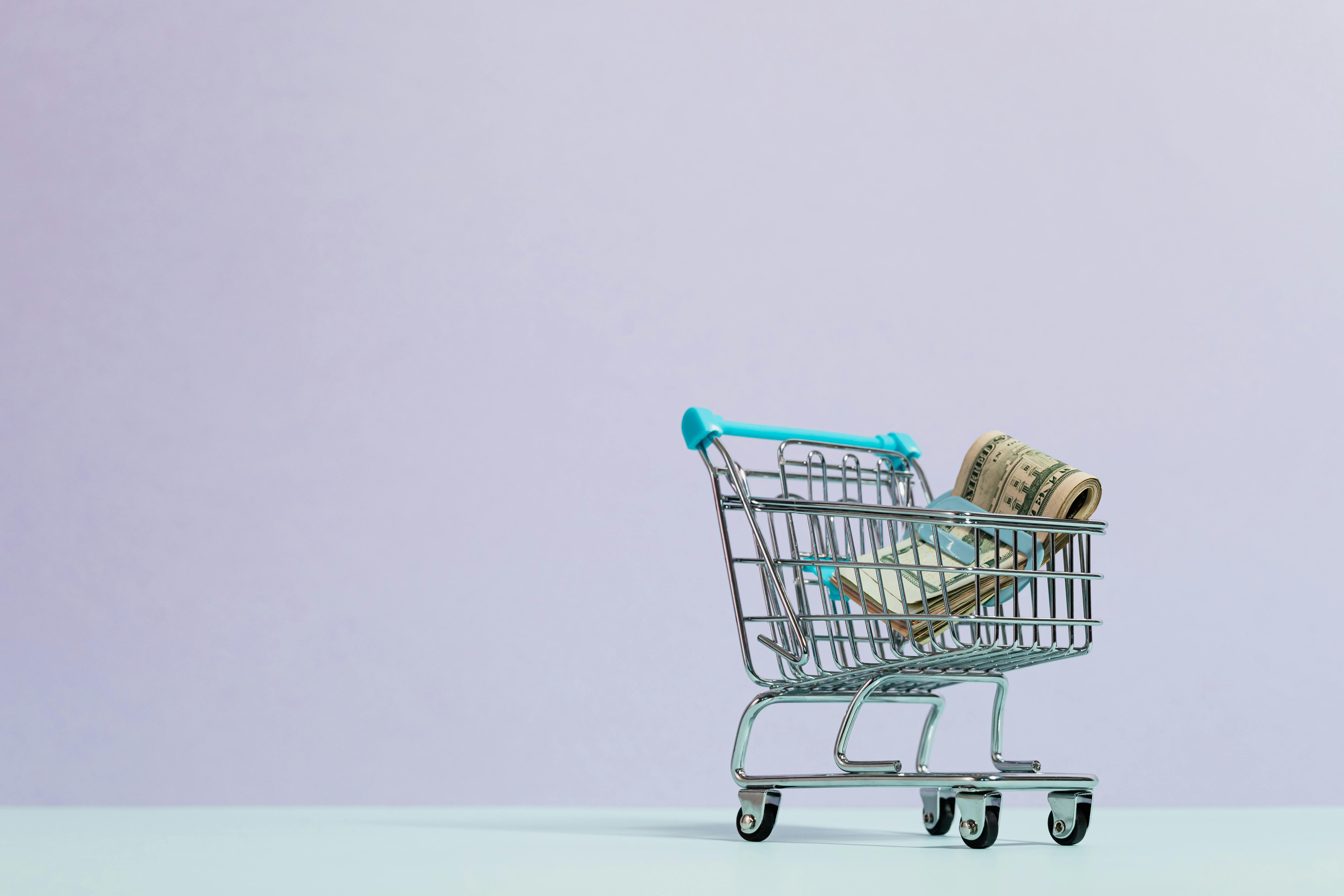
Source: Pexels
Key Components of Localization:
- Multi-Currency Payment Gateways: Allow customers to pay in their local currency to avoid bank conversion fees and build loyalty.
- Local Payment Methods: While credit cards are common, many regions prefer digital wallets (like WeChat Pay in China or Pix in Brazil) or "Buy Now, Pay Later" (BNPL) services.
- Cultural Nuance: Ensure your marketing imagery and copy reflect the cultural values and holidays of your target region.
⚖️ Navigating Cross-Border Customs Compliance
Regulatory pressure is at an all-time high. Cross-border customs compliance requires rigorous data accuracy. From July 1, 2026, the EU's new customs rules for low-value parcels mean that even the smallest items require precise digital documentation. Failure to comply can lead to seized shipments and heavy penalties.
🚀 International Digital Marketing Strategy
Your international digital marketing strategy should be data-driven. Don't try to conquer the world at once. Instead, use your current analytics to identify "lookalike" markets where your products already show organic interest. Focus your ad spend on these high-potential regions first.
💡 Pro Tips for International Scaling
- Leverage AI Assistants: Use AI to handle customer service in multiple languages 24/7.
- Test with Marketplaces: Before launching a full localized site, test the waters on global marketplaces like Amazon, eBay, or Rakuten.
- Focus on Retention: It costs more to acquire an international customer. Use localized email marketing and loyalty programs to keep them coming back.
- Monitor MER: Use the Marketing Efficiency Ratio (MER) as your primary metric to ensure your global expansion remains profitable.
❓ FAQ: Global Ecommerce Expansion
1. What is the biggest challenge when scaling internationally in 2026?
The biggest challenge is cross-border customs compliance and the removal of tax-free thresholds (De Minimis). Shipping DDP is the best way to manage this operational friction.
2. How do I choose which country to expand to first?
Analyze your current traffic. If you see consistent visitors from a specific country, check the "landed cost" for that region. If your margins remain healthy after shipping and taxes, it’s a prime candidate.
3. Do I need a local bank account to sell internationally?
Not necessarily. Modern fintech solutions allow you to set up virtual multi-currency payment gateways that collect local currencies and deposit them into your home account.
📌 Conclusion
Scaling your online store from local to international is a journey of operational excellence and cultural adaptation. By embracing DDP shipping for small business, leveraging AI for HS code classification, and prioritizing a localized checkout experience 2026, you can turn your local shop into a global brand. The technology is ready, the demand is rising, and the world is waiting. Are you ready to go global?
Join the conversation