
Understanding Cybersecurity in the Age of AI: Your 2026 Defense Manual
As we navigate through the midpoint of 2026, the digital world has become increasingly complex. Understanding cybersecurity in the age of AI is no longer just a concern for IT departments; it is a fundamental life skill for everyone. While Artificial Intelligence offers incredible tools for productivity, it has also equipped cybercriminals with advanced methods to bypass traditional security. To stay safe, we must evolve our defense strategies as quickly as the technology itself.
📚 Table of Contents
- The Shift: AI-Driven Cyber Threats in 2026
- How Machine Learning Improves Threat Detection
- Protecting Digital Identity from AI Manipulation
- Automated Phishing Prevention and Red Flags
- Pro Tips for Personal and Business Security
- Frequently Asked Questions
⚠️ The Shift: AI-Driven Cyber Threats 2026
In 2026, hackers are no longer writing scripts manually. They use Large Language Models (LLMs) to scan for neural network vulnerabilities and create customized malware that changes its code to avoid detection. This new era of "polymorphic" attacks makes understanding cybersecurity in the age of AI more critical than ever.
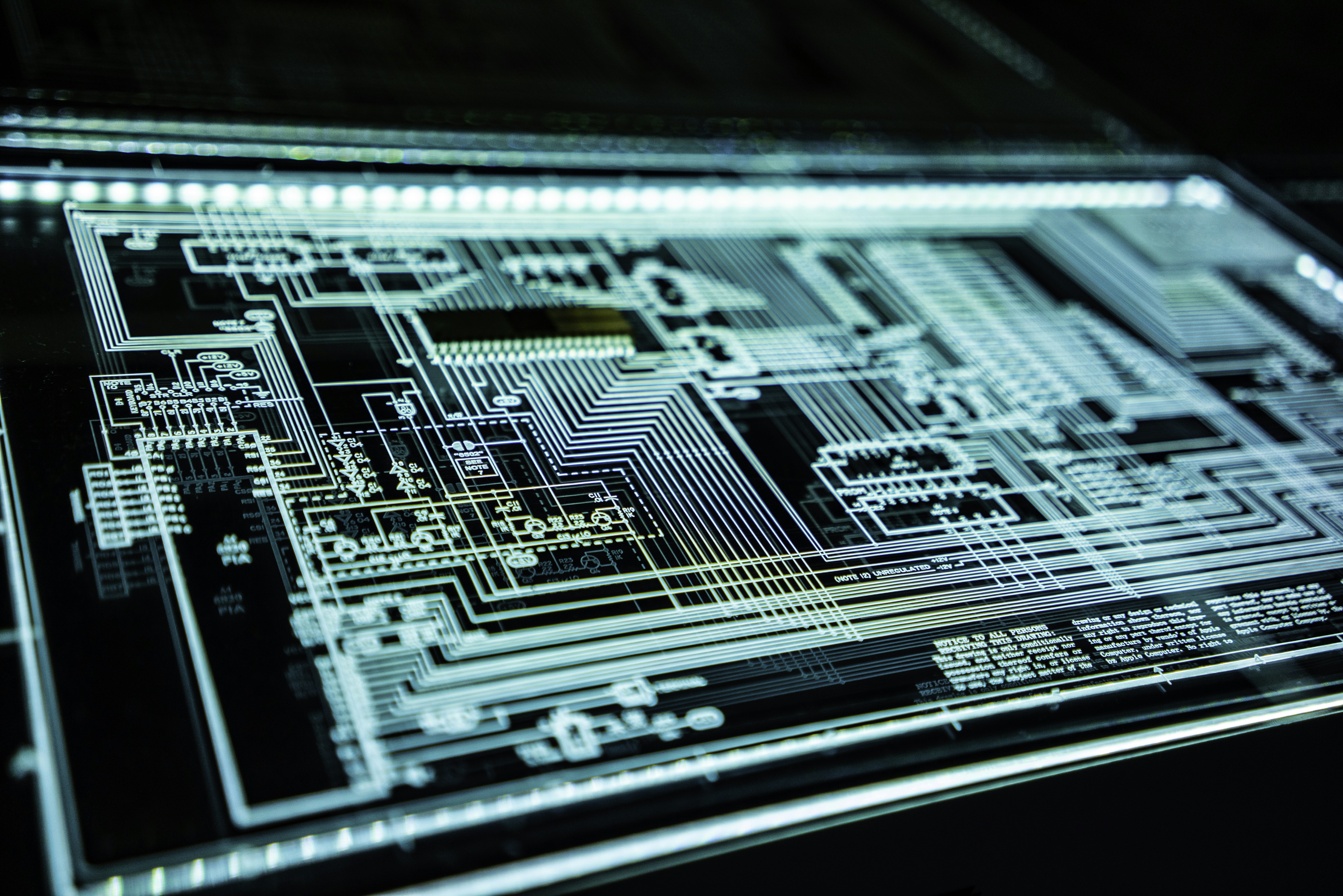
Source: Unsplash
One of the most dangerous trends is deepfake social engineering. Attackers can now mimic the voice of a CEO or a family member with perfect accuracy, leading to unauthorized wire transfers or data leaks. The battle is now "AI vs. AI," where our defense systems must be as smart as the attackers.
🛡️ Machine Learning for Threat Detection
The good news is that AI is also our greatest shield. Machine learning for threat detection allows security software to analyze billions of data points in milliseconds. Unlike old antivirus programs that looked for known "signatures," 2026 security systems look for behavioral patterns.

Source: Pexels
By employing algorithmic defense, these systems can spot a login attempt from an unusual location or a file being moved at a strange time, instantly triggering a lockdown before any damage occurs. This "predictive" security is the backbone of any modern enterprise AI security strategy.
👤 Protecting Digital Identity from AI Manipulation
Your digital identity is your most valuable asset. Protecting digital identity from AI requires a move toward a "Zero-Trust" mindset. This means that even if a message appears to come from a trusted source, the system (and you) must verify it through multiple layers.
- Biometric Evolution: In 2026, standard fingerprints are being replaced by multi-modal biometrics that check for "liveness" to prevent spoofing.
- Behavioral ID: Some systems now recognize the way you type or hold your phone to verify it's really you.
- Hardware Keys: Physical security keys are still the most effective way to stop remote AI-driven account takeovers.
🎣 Automated Phishing Prevention and Red Flags
Phishing has evolved. We are no longer looking for poorly spelled emails. Automated phishing prevention tools are now necessary to filter out messages created by AI that perfectly mimic your bank's tone and branding. Real-time data encryption of your communication channels is also vital to ensure that even if data is intercepted, it remains unreadable.
Ways to Spot AI-Generated Phishing:
- The "Too Perfect" Tone: If an email sounds unusually formal or generic, it might be AI-generated.
- Urgent Requests: AI is trained to use psychological triggers. Be wary of any message demanding immediate action.
- Hidden Links: Always hover over links to see the true destination, as AI can easily hide malicious URLs behind credible-looking text.
💡 Pro Tips for 2026 Digital Safety
- Enable Zero-Trust Architecture: Treat every connection as a potential threat until verified.
- Use AI-Powered VPNs: Modern VPNs use AI to block malicious domains before your browser even connects to them.
- Educate Your Team: Human error is still the #1 cause of breaches. Regular training on deepfake recognition is essential.
- Rotate Passkeys, Not Passwords: Move away from passwords entirely and use encrypted passkeys that are stored on your device's secure enclave.
❓ FAQ: Understanding Cybersecurity in 2026
1. Can AI hack into my bank account automatically?
AI can automate the *attempt* to find vulnerabilities, but most banks use algorithmic defense to block these automated attacks. Using 2FA (Two-Factor Authentication) remains your strongest defense.
2. Are deepfakes a real threat to my personal security?
Yes. In 2026, deepfake audio is frequently used in "vishing" (voice phishing). Always have a "safe word" or a secondary verification method with family and co-workers for sensitive requests.
3. Does my home Wi-Fi need AI protection?
Most modern routers in 2026 come with built-in AI security that monitors for unusual traffic from smart home devices (IoT), which are often the weakest link in your network.
📌 Conclusion
The journey of understanding cybersecurity in the age of AI is ongoing. While the threats have become more sophisticated, our tools for defense have also reached incredible new heights. By staying informed, adopting machine learning for threat detection, and maintaining a healthy level of digital skepticism, you can enjoy the benefits of the AI revolution without falling victim to its risks. Stay alert, stay encrypted, and prioritize your digital safety today!
Join the conversation